
About Us

Introduction of Centre for Artificial Intelligence and Robotics, Hong Kong Institute of Science & Innovation, Chinese Academy of Sciences - CAIR
Centre for Artificial Intelligence and Robotics (CAIR), Hong Kong Institute of Science & Innovation, Chinese Academy of Sciences, is dedicated to integrated innovation in AI and healthcare. It focuses on multimodal large models, embodied intelligence and digital twin technology. Selected into Hong Kong’s InnoHK initiative, driven by clinical and industrial needs and committed to creating value for doctors and patients, CAIR systematically carries out the research, development and technology transfer of medical AI systems.
中国科学院香港创新研究院人工智能与机器人创新中心聚焦人工智能与生命健康的融合创新,围绕多模态大模型、具身智能、数字孪生开展研发,入选香港InnoHK计划。中心坚持临床和产业需求驱动,以为医生患者创造价值为目标,成建制开展面向医疗AI 的研发与转化。

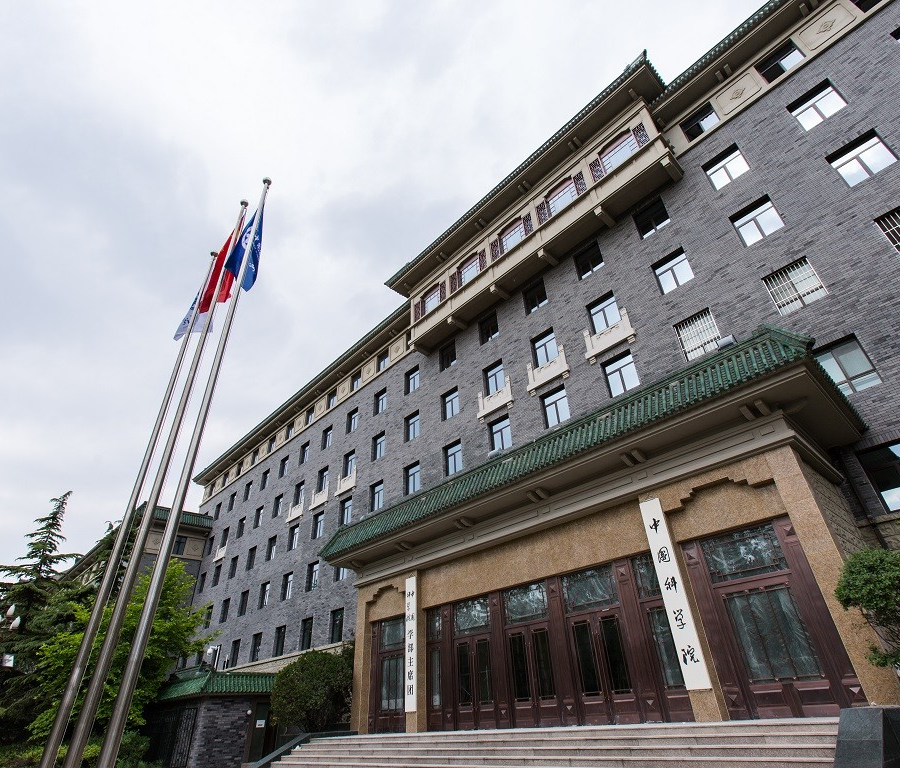
Introduction of Chinese Academy of Sciences - CAS
The Chinese Academy of Sciences is the linchpin of China’s drive to explore and harness high technology and the natural sciences for the benefit of China and the world. Comprising a comprehensive research and development network, a merit-based learned society and a system of higher education, CAS brings together scientists and engineers from China and around the world to address both theoretical and applied problems using world-class scientific and management approaches.
CAS scientists conduct research in most areas of basic science and technology as well as strategic advanced technologies and areas related to the public welfare and the development of emerging industries. CAS comprises 104 research institutes, 12 branch academies, three universities and 11 supporting organizations in 23 provincial-level areas throughout the country. These institutions are home to more than 100 national key labs and engineering centres as well as nearly 200 CAS key labs and engineering centres. Altogether, CAS comprises 1,000 sites and stations across the country.
CAS has a staff of 67,900, including about 56,000 professional researchers. Of these, approximately 22,800 are research professors or associate professors. By 2020, CAS hopes to have a few thousand leading scientists working for the organization. It has long been a CAS strategy to emphasize the combination of research and education and interdisciplinary and cross-sector cooperation in innovation.