
Highlights & News
Focusing on Industrialisation and Exploring Global Pathways -- The 3rd CREATE Symposium Concludes Successfully
发表日期: 2025年10月27日
In the era of artificial intelligence, the rapid advancements in AI and robotics are revolutionizing healthcare — reshaping diagnosis, treatment, and health management. How to deeply integrate these cutting-edge technologies into clinical practice, and transform innovative algorithms into tangible tools to save lives, has become a global priority.
On 26 October, the 3rd Hong Kong Clinical-driven Robotics and Embodied AI Technology (CREATE) Symposium opened at the Hong Kong Convention and Exhibition Centre. Organized by the Centre for AI and Robotics (CAIR), Hong Kong Institute of Science & Innovation (HKISI), Chinese Academy of Sciences (CAS), this year's symposium brought together world-renowned AI scholars, clinical experts, and representatives from major enterprises and investment institutions.
From technological trends to clinical applications and real-world case studies, participants engaged in in-depth discussions from multiple perspectives. The symposium successfully established a high-level cross-disciplinary dialogue platform, injecting strong momentum into the innovative integration of embodied AI and clinical practices.
Opening Insights: Collaboration at the Heart of Smart Healthcare
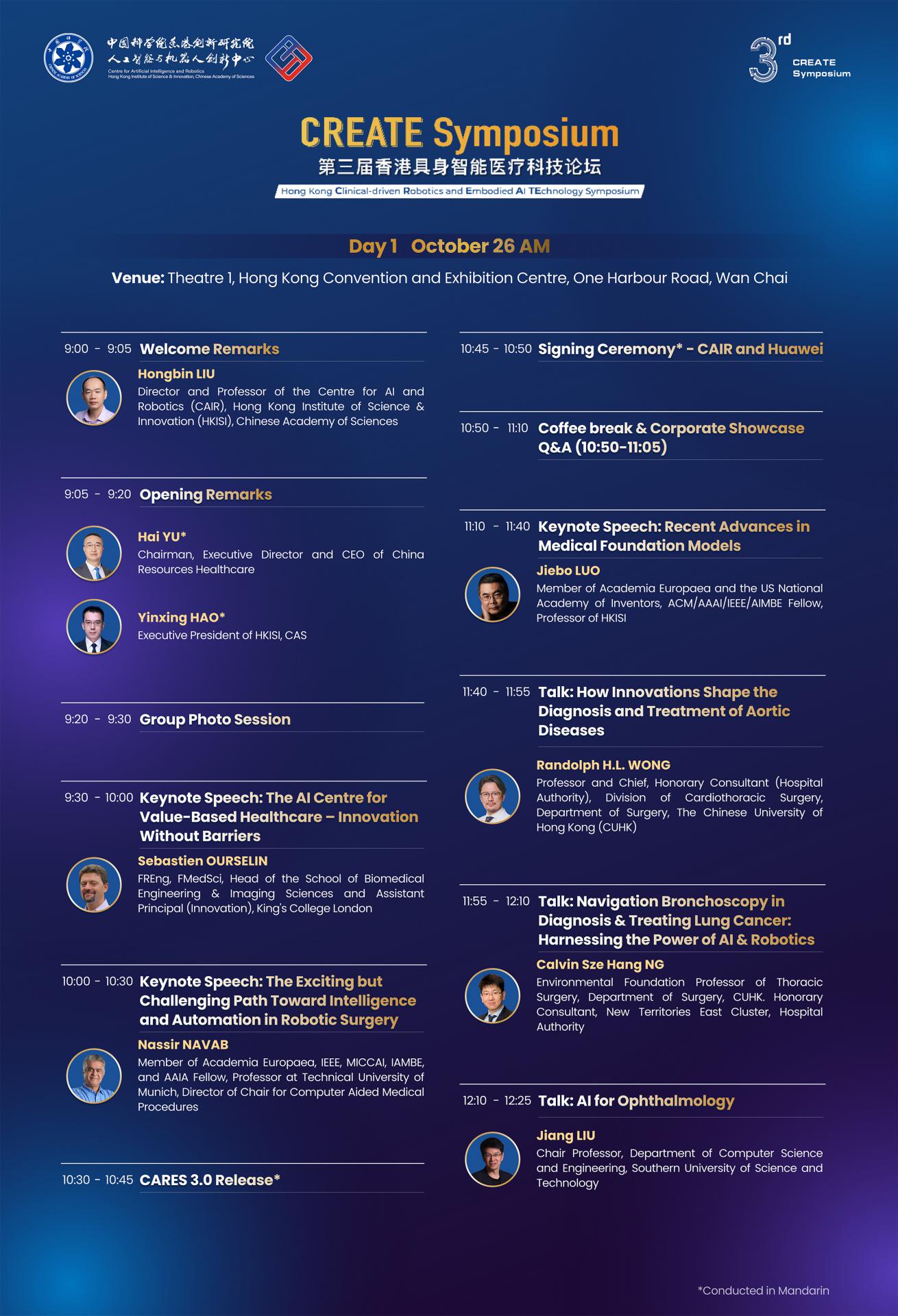
In his welcome address, Prof Hongbin LIU, Director of CAIR, highlighted how embodied AI is transforming healthcare by improving diagnostic efficiency and enhancing patient care. He emphasized that the CREATE Symposium aims to bring together diverse expertise to build a comprehensive ecosystem for intelligent healthcare solutions — promoting innovation, collaboration, and the shared vision for advancing global health outcomes.
The opening session also featured remarks from prominent leaders in healthcare and AI, including: Hai YU, Chairman, Executive Director and CEO of China Resources Healthcare; Yinxing HAO, Executive President of HKISI, CAS; Kin-lai CHUNG, CEO of CUHK Medical Centre; and Liyong ZHU, Secretary of the Party Committee of Xiangya School of Medicine, Central South University, Chief Physician and Professor.
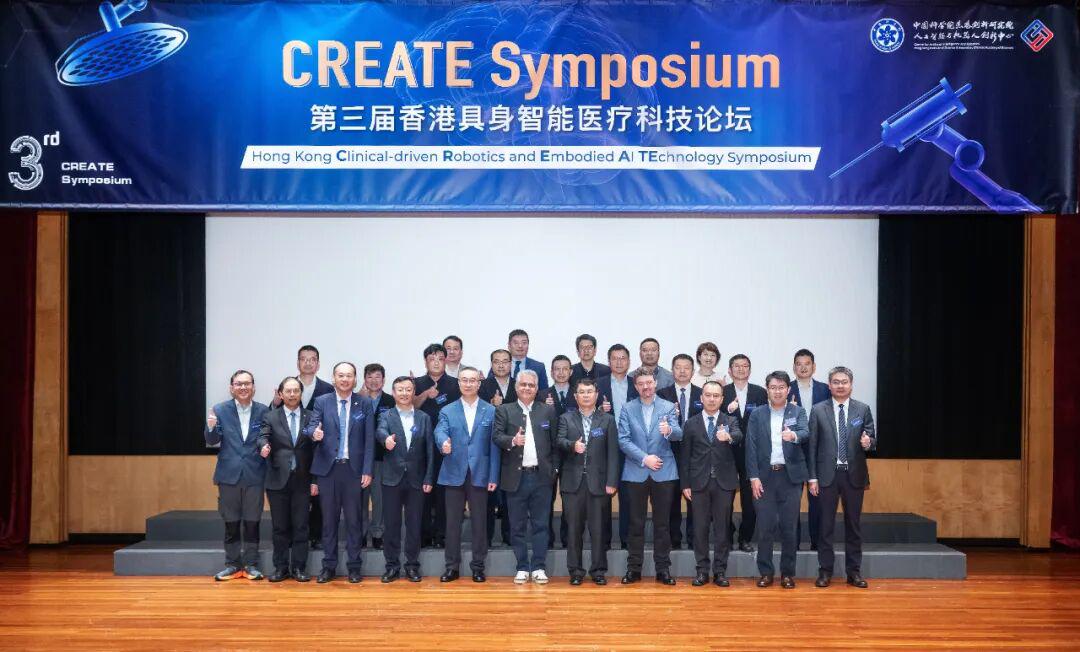
Hai YU underscored the importance of responding to public healthcare needs by embracing emerging technologies. He mentioned that China Resources Healthcare has been actively exploring a new solutions to modernize healthcare models. He described the symposium as a valuable platform for cross-sector collaboration and innovation and expressed hope that stakeholders will join hands to develop new medical technologies and deliver more professional and compassionate medical services to the public.
Yinxing HAO remarked that the Hong Kong SAR Government earmarked AI as a core strategic industry, prioritizing its development in five key areas: computing power, algorithms, application scenarios, data, and financial support. Leveraging its scientific research strengths, HKISI, CAS has been proactive in its planning and early deployment, achieving a series of significant technological breakthroughs. Going forward, the institute plans to focus on the application of AI in medical technology and expand research in the intersection of AI and life sciences, fostering the emergence of a new AI-driven paradigm of scientific discovery.
Kin-lai CHUNG emphasised that AI is no longer merely a tool for data analysis, but an innovative entity capable of performing complex procedures such as surgery. From intelligent ultrasound screening to intricate surgical operations, AI is transforming our understanding and practice of medicine at an unprecedented pace. He expressed confidence that as technology continues to evolve, the advancement of embodied AI will make medical practice more personalised and intelligent, unlocking boundless possibilities for the future of healthcare.
Liyong ZHU pointed out that the convergence of medicine and engineering is essential for driving innovation in medical technology. While some hospitals have already adopted medical big data and surgical robots, their practical applications remain limited. In clinical medicine, talent cultivation plays a crucial role in advancing interdisciplinary development. He urged experts in engineering and clinical sciences to jointly explore new models for cultivating interdisciplinary talent, thereby promoting innovation in academic frameworks, curriculum design, and practical training.
Technology-Driven: CARES 3.0 Pioneers a New Era in Medical AI
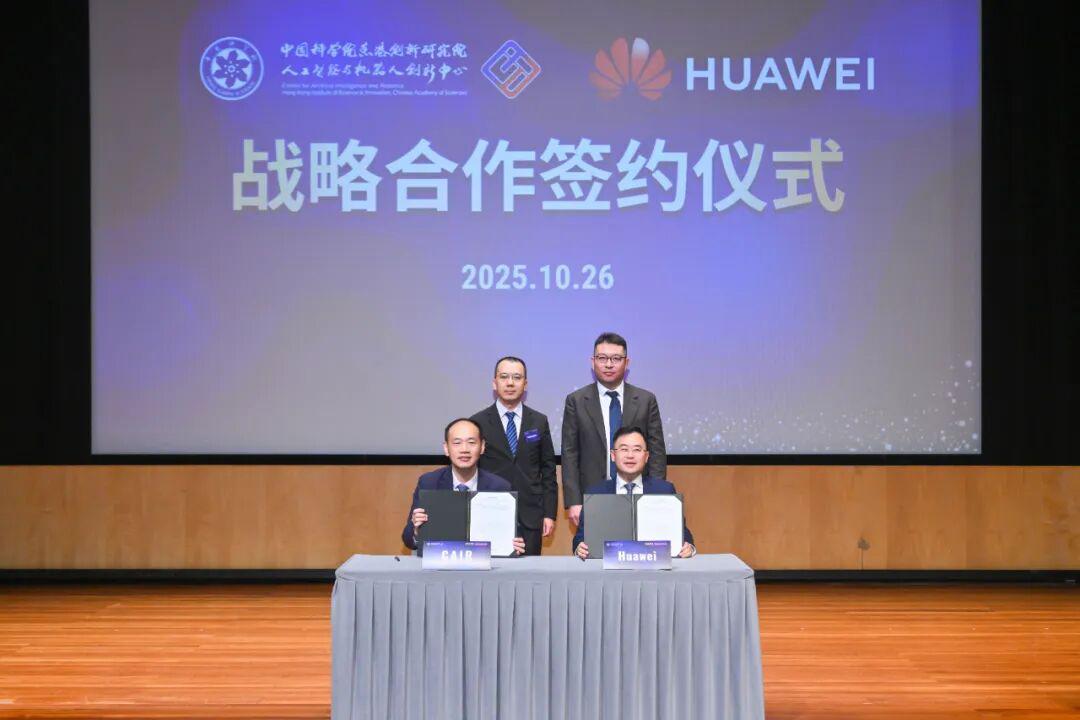
Since 2022, CAIR has partnered with Huawei through its AI cluster to advance medical artificial intelligence. Over the past three years, this collaboration has achieved continuous breakthroughs — progressing from single-machine, single-modality image analysis in 2022 to large-scale multimodal training by 2025, marking a leap in technological capability.
On October 26, CAIR and Huawei signed a strategic cooperation agreement and jointly launched the next-generation medical AI model CARES 3.0. Trained on Huawei's AI computing cluster, the model integrates over twelve native multimodal medical datasets and is capable of interpreting CT, MRI and X-ray images, performing intelligent diagnosis and generating clinical reports.
CARES 3.0 delivers industry-leading performance that surpasses open-source models of comparable scale. Built on a continuous learning framework, it supports ongoing upgrades and incorporates modules such as ultrasound acoustics, MRI modelling, medical knowledge graphs, professional search engines and academic databases, ensuring that diagnostic recommendations remain traceable. Featuring lightweight 3B and 7B architectures, CARES 3.0 can also be locally deployed in hospitals. It has already pioneered a new "co-pilot" model for surgery in pilot hospitals, ushering in a new phase of intelligent healthcare.
Intelligence in Synergy: Clinical Needs Driving New Frontiers of Innovation
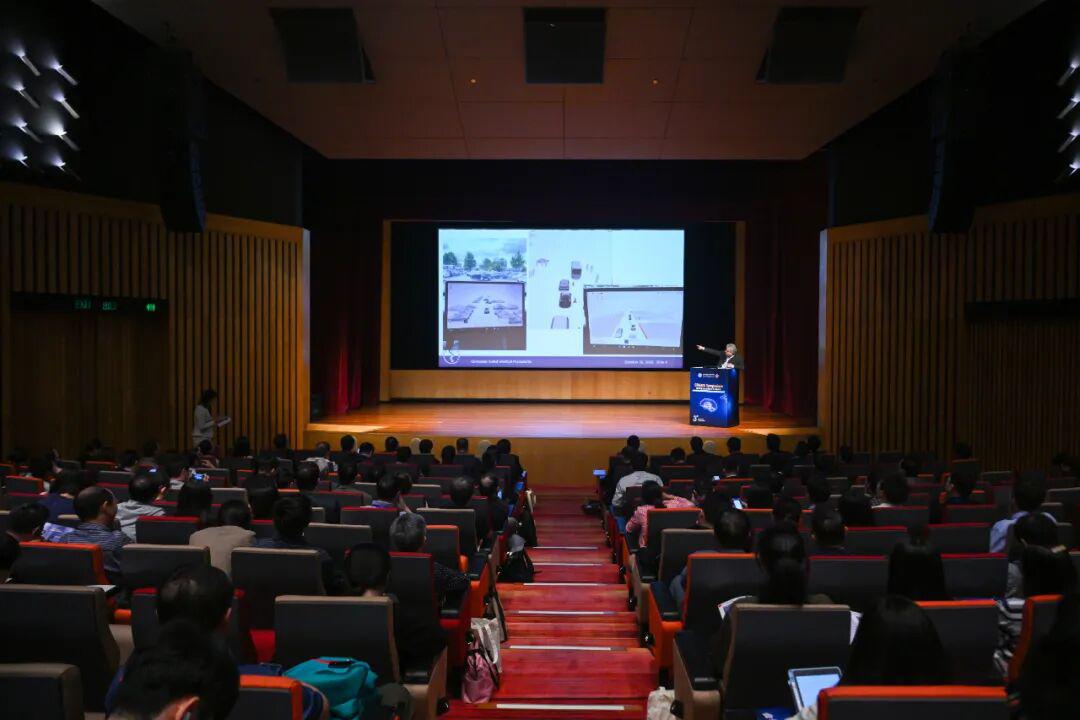
During the keynote session, global AI thought leaders shared groundbreaking developments of embodied intelligence for healthcare, offering an international perspective that bridged foundational research and clinical application. Their presentations painted a comprehensive picture of how intelligent medicine is evolving, delivering a thought-provoking and intellectually rich exchange for all in attendance.
Prof Sebastien OURSELIN, FREng, FMedSci, Head of the School of Biomedical Engineering & Imaging Sciences, and Assistant Principal (Innovation), King's College London, delivered a keynote titled "The AI Centre for Value-Based Healthcare – Innovation Without Barriers." He illustrated the critical role of artificial intelligence in reshaping the UK's healthcare system, explaining how AI-driven technologies, real-time data integration and predictive analytics can significantly enhance patient care, operational efficiency and cost management. He called for collective efforts to build a sustainable AI-powered healthcare infrastructure and create a more efficient and equitable healthcare ecosystem.
Prof Nassir NAVAB, Member of Academia Europaea, Professor at Technical University of Munich, Director of Chair for Computer Aided Medical Procedures, presented a keynote titled "The Exciting but Challenging Path Toward Intelligence and Automation in Robotic Surgery." He noted that the automation of robotic surgery still lags far behind that of autonomous driving and emphasised the need to develop vision-language-action models to help robots better understand and execute complex surgical tasks. He urged the medical community to collaborate in data collection and sharing to improve the performance and reliability of intelligent surgical systems and accelerate the advancement of robotic surgery.
Prof Jiebo LUO, Member of Academia Europaea and the US National Academy of Inventors, and Professor of HKISI, delivered a keynote speech titled "Recent Advances in Medical Foundation Models". He shared two significant developments in medical foundation models: one focusing on surgical video understanding, which can greatly enhance surgical safety and precision; and another targeting ultrasound image diagnosis, offering a solution to the shortage of skilled sonographers. He noted that these breakthroughs are of strong demonstrative significance, opening new avenues for integrating medical knowledge into AI applications.
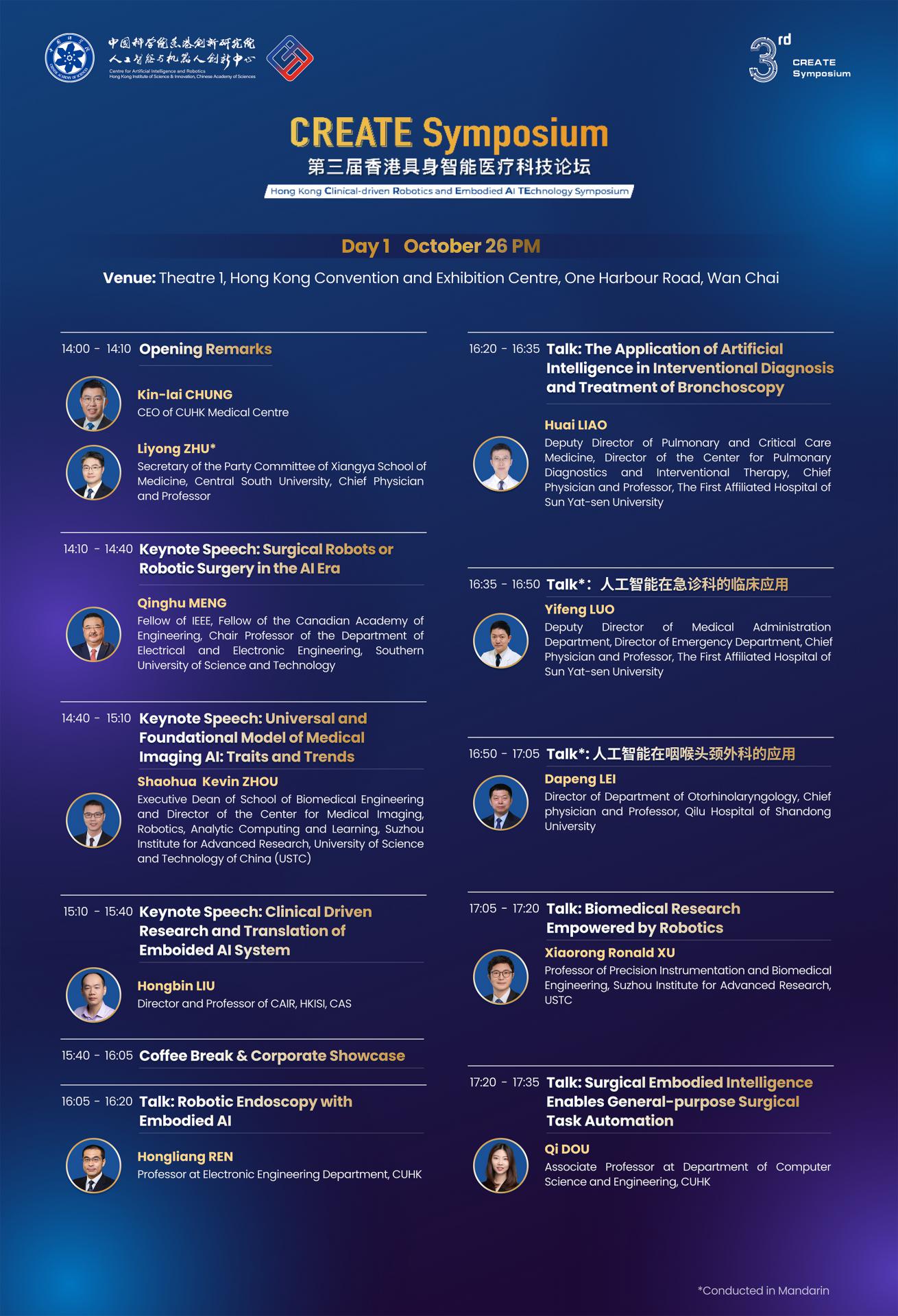
Prof Qinghu Max MENG, Fellow of the Canadian Academy of Engineering and Chair Professor of the Department of Electrical and Electronic Engineering, Southern University of Science and Technology, spoke on "Surgical Robots or Robotic Surgery in the AI Era?". He reviewed the evolution of AI, bionic robotics, and surgical robotics over the past decade. While AI models have achieved remarkable progress in text processing, he pointed out that challenges remain in visual perception and understanding the three-dimensional world. He predicted that future surgical robots will evolve into bionic robotic surgery systems capable not only of performing procedures autonomously but also of replicating a surgeon's operation simultaneously across multiple hospitals. This vision, he emphasised, relies heavily on the collection and utilisation of high-quality, multidimensional clinical data, which will in turn unlock vast commercial potential.
Prof Shaohua Kevin ZHOU, Doctoral Supervisor, Executive Dean of School of Biomedical Engineering, and Director of the Centre for Medical Imaging, Robotics, Analytic Computing and Learning, Suzhou Institute for Advanced Research, University of Science and Technology of China, gave a talk titled "Universal and Foundational Model of Medical Imaging AI: Traits and Trends". Drawing on extensive case studies, he vividly illustrated the development and evolution of AI in medical imaging. He stressed that as data scales continue to expand, the integration of multiple AI technologies will be key to advancing intelligent imaging. Building more reliable models and addressing challenges such as data acquisition and annotation errors, he added, will be crucial for the next stage of progress.
Prof Hongbin LIU, Director and Professor of CAIR, took the stage to present "Clinical Driven Research and Translation of Embodied AI Systems", where he outlined the architectural blueprint of embodied AI systems and shared his team's successful real-world applications. These include the development of multimodal AI systems for medical image navigation and real-time decision support during surgery. He stressed that the future of healthcare will be shaped by AI-driven intelligent ecosystems, where AI will evolve from a mere tool into a collaborative partner within the medical team. Prof Liu called for stronger collaboration among research institutions, industry, and hospitals to advance clinically driven AI technologies.
In addition, the symposium brought together over a dozen leading clinical experts and scholars who shared their research and practical experiences in medical AI. They included Randolph HL. WONG, Professor and Chief, Honorary Consultant (Hospital Authority), Division of Cardiothoracic Surgery, Department of Surgery, The Chinese University of Hong Kong (CUHK); Calvin Sze Hang NG, Environmental Foundation Professor of Thoracic Surgery, Department of Surgery, CUHK; Jiang LIU, Chair Professor, Department of Computer Science and Engineering, Southern University of Science and Technology; Hongliang REN, Professor at Electronic Engineering Department, CUHK; Huai LIAO, Deputy Director of Pulmonary and Critical Care Medicine, Director of the Centre for Pulmonary Diagnostics and Interventional Therapy, Chief Physician and Professor, The First Affiliated Hospital of Sun Yat-sen University; Yifeng LUO, Deputy Director of Medical Administration Department, Director of Emergency Department, Chief Physician and Professor, The First Affiliated Hospital of Sun Yat-sen University; Dapeng LEI, Director of Department of Otorhinolaryngology, Chief Physician and Professor, Qilu Hospital of Shandong University; Xiaorong Ronald XU, Professor of Precision Instrumentation and Biomedical Engineering, Suzhou Institute for Advanced Research, USTC; and Qi DOU, Associate Professor at Department of Computer Science and Engineering, CUHK. Together, they offered diverse perspectives on the future of AI in healthcare, providing valuable insights and direction for deepening the integration of technological innovation and clinical practice.
Industry Empowerment: Building an Innovation Ecosystem to Accelerate the Adoption of Intelligent Healthcare
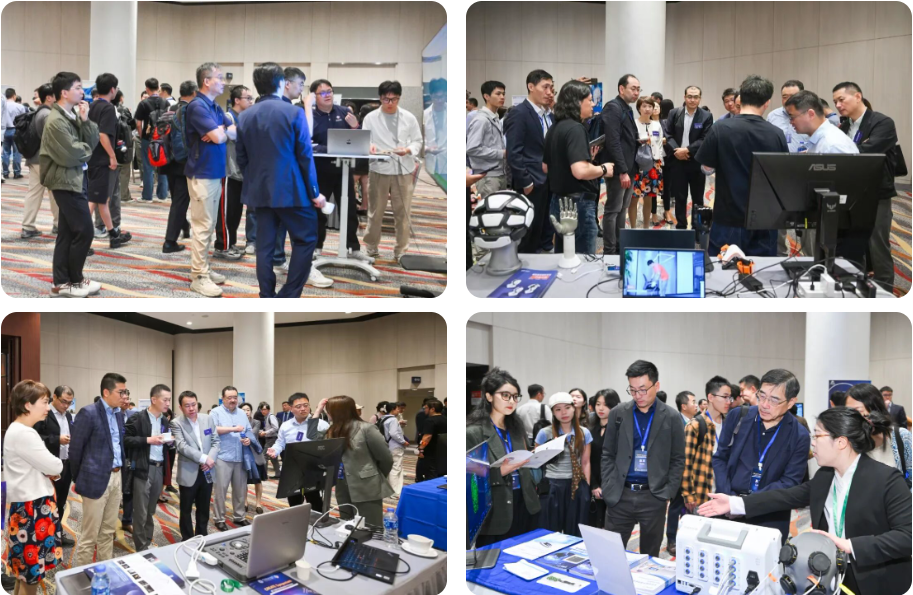
The symposium extended beyond the lecture halls to a buzzing exhibition floor, where technology exchange and industry partnership took center stage. CAIR invited more than ten leading medical technology enterprises to join a dedicated exhibition area, where they showcased cutting-edge innovations across the full spectrum of healthcare — from intelligent imaging devices and surgical robotics platforms to intraoperative monitoring systems. Live demonstrations and interactive displays offered participants a firsthand look at how frontier technologies are transforming clinical practice.
The Organising Committee also arranged dozens of KOLs visited the exhibition area to engage in lively discussions with participants and company representatives. They explored pressing topics such as how intelligent healthcare can better address clinical needs, enhance medical efficiency, and improve patient experience. These exchanges sparked dynamic ideas and laid a solid foundation for pilot applications and implementation of medical technology products, injecting new momentum into the advancement and widespread adoption of intelligent healthcare.
Amid an atmosphere of excitement and innovation, the first day of the 3rd CREATE Symposium concluded with remarkable success. This intellectual feast in the field of medical technology not only gathered leading experts from around the world and built a high-level dialogue platform connecting academia, clinical medicine and industry, but also fostered meaningful exchanges and in-depth discussions. Through the sharing of breakthroughs and real-world cases in diagnosis, treatment, surgical assistance and rehabilitation, the symposium injected fresh momentum into the translation and application of embodied intelligence in healthcare.
On October 27, the second day of the symposium continued the momentum set on day one, with stimulating academic exchanges and inspiring cross-sector dialogues. Discussions centred around the integration of engineering with healthcare, as well as the global expansion of medical technology. The forum served as a dynamic platform for exploring the pathways to industrialising medical technology and promoting intelligent healthcare worldwide, igniting engaging conversations among participants.
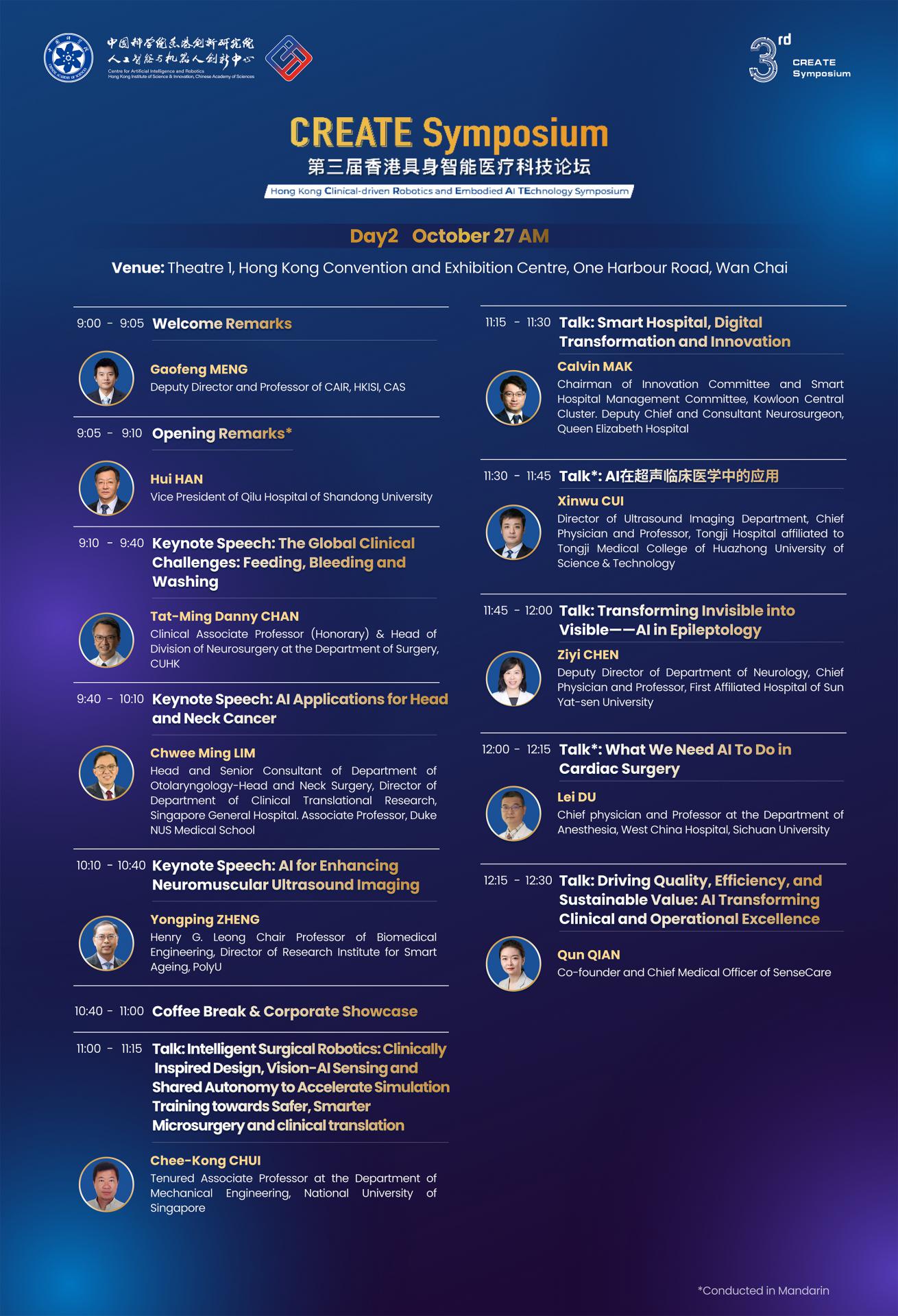
In his welcome remarks, Prof Gaofeng MENG, Deputy Director of CAIR, highlighted the importance of the CREATE Symposium as a vital platform for global medical technology collaboration. He noted that Hong Kong's unique position, coupled with its innovation-driven approach, has become a catalyst for fostering deeper ties between China and the international community. "CREATE" is not merely the theme of this forum, but also a collective vision — one that seeks to push the boundaries of medical technology and contribute to the global advancement of healthcare.
In his opening remarks, Prof Hui HAN, Vice President of Qilu Hospital of Shandong University, shared insights into the hospital's pioneering efforts in the digital transformation of healthcare. These included the joint release with CAIR of a laryngoscope diagnostic model and the clinical retrospective validation of the "EchoCare" ultrasound model in the hospital's obstetrics and gynaecology department. Prof Han emphasised that artificial intelligence has become a crucial driving force for the future of healthcare, stating that by deepening its application in clinical settings, it can significantly enhance both medical service efficiency and patient experience.
Prof Tat-Ming Danny CHAN, Clinical Associate Professor (Honorary) & Head of Division of Neurosurgery at the Department of Surgery, CUHK, delivered a keynote titled "The Global Clinical Challenges: Feeding, Bleeding and Washing". He presented detailed clinical case studies and global data to explore three major global challenges in healthcare: accurate placement of nasogastric tubes, precise assessment of intraoperative blood loss, and standardising surgical cleaning processes. Prof Chan highlighted that AI technology is key to overcoming these clinical issues and called for closer collaboration between AI and medical teams, aiming to drive continuous improvements in global healthcare safety.
Prof Chwee Ming LIM, Head and Senior Consultant of Department of Otolaryngology-Head and Neck Surgery, Director of Department of Clinical Translational Research, Singapore General Hospital, Associate Professor, Duke NUS Medical School, delivered a compelling keynote on "Al Applications for Head and Neck Cancer". He shared his latest breakthroughs in early cancer screening, imaging analysis, and surgical assistance, offering clinical insights into how these technologies are transforming patient care. Prof Lim highlighted that successful clinical translation relies on interdisciplinary collaboration, especially at the crossroads of medicine, engineering, and information science. Only by combining expertise across these fields can we expedite the transition of innovative technologies from the lab into real-world clinical applications, scaling them to improve patient outcomes on a global scale.
Prof Yongping ZHENG, Henry G. Leong Chair Professor of Biomedical Engineering, Director of Research Institute for Smart Ageing at PolyU, delivered an insightful talk on "AI for Enhancing Neuromuscular Ultrasound Imaging". He presented his team's latest breakthroughs, including the "sonomyography" (SMG) and other innovative technologies, showcasing the vast potential of combining AI with ultrasound for neuromuscular imaging, dynamic monitoring, and personalised healthcare. Prof Zheng emphasised that in the future, AI will become as fundamental and ubiquitous as electricity and the internet, and researchers should focus on specific problems, harnessing AI to create truly transformative solutions that can revolutionise medical practice.
Following this, a distinguished panel of experts shared their latest research and practical experiences. Prof Chee-Kong CHUI, Tenured Associate Professor at the Department of Mechanical Engineering, National University of Singapore, Dr Calvin MAK, Chairman of Innovation Committee and Smart Hospital Management Committee, Kowloon Central Cluster, Deputy Chief and Consultant Neurosurgeon, Queen Elizabeth Hospital, Prof Xinwu CUI, Director of Ultrasound Imaging Department, Chief Physician and Professor, Tongji Hospital affiliated to Tongji Medical College of Huazhong University of Science & Technology, Prof Ziyi CHEN, Deputy Director of Department of Neurology, Chief Physician and Professor, First Affiliated Hospital of Sun Yat-sen University, Prof Lei DU, Chief Physician and Professor at the Department of Anaesthesia, West China Hospital, Sichuan University, and Prof Kun QIAN, Co-founder and Chief Medical Officer of SenseCare, also shared their expertise. Their presentations offered a wealth of innovative ideas and solutions from multiple disciplines and sectors, broadening the horizons for interdisciplinary collaboration and industrial integration. These insights will undoubtedly shape the future direction of the healthcare industry, fostering collaboration between academia, medicine, and technology.
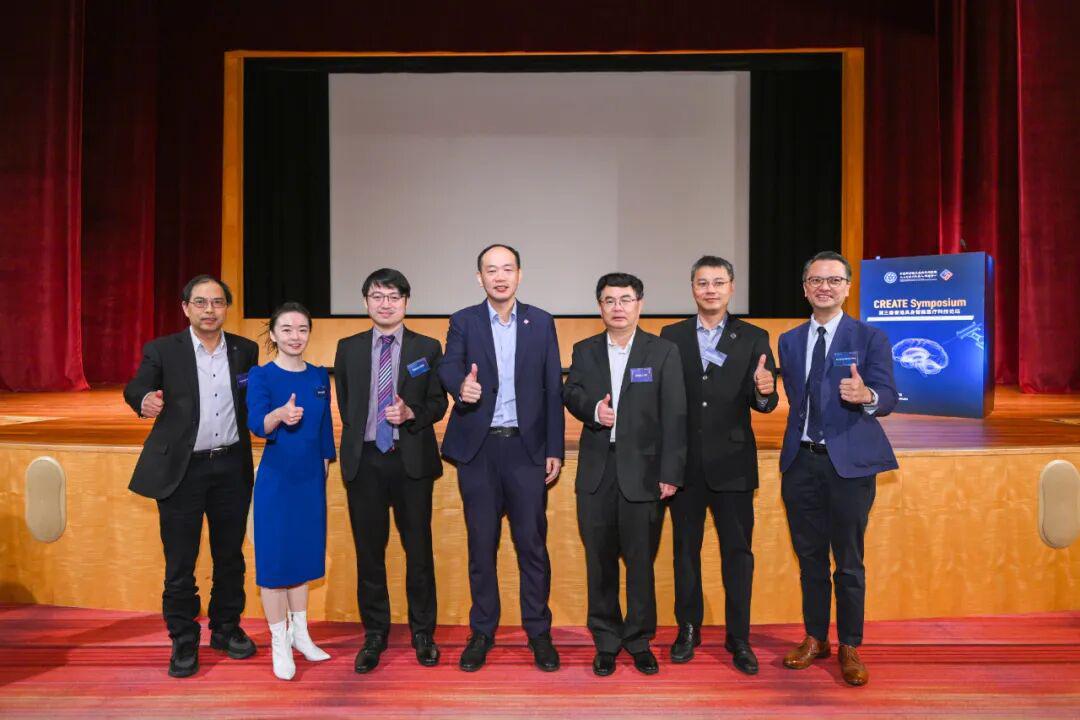
Additionally, the Symposium featured a series of engaging activities at the Hong Kong Science Park, including the CAIR Exhibition Hall tour, a sub-forum on the integration of medicine and engineering, and discussions on the global expansion of enterprises. These events were diverse and dynamic, not only highlighting cutting-edge technologies but also offering participants an excellent opportunity to explore pathways for industrialisation and exchange international insights.
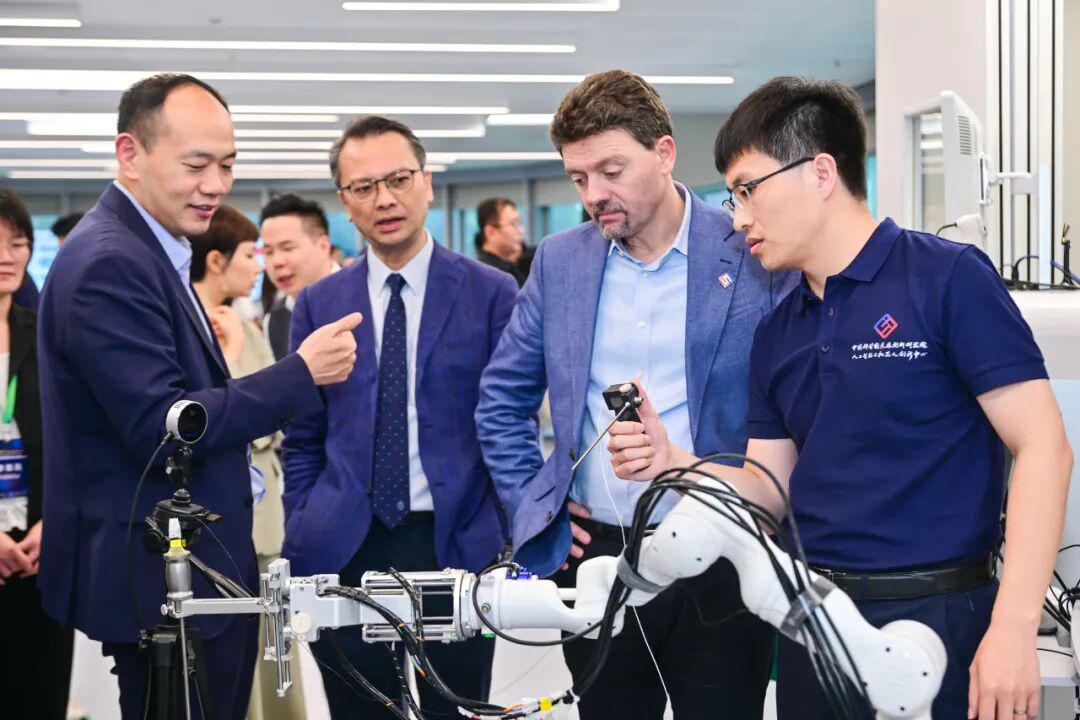
During the CAIR Exhibition Hall tour, attendees had the opportunity to explore a range of groundbreaking technologies. These included the next-generation medical AI large model CARES 3.0, the EndoVision·Pulmonary from the First Affiliated Hospital, Sun Yat-sen University, the EndoVision·otolaryngology from Qilu Hospital in Shandong, the EchoCare Ultrasound Model, AI-enhanced augmented reality digital humans, embodied intelligent ultrasound robots, intraoperative low-field MRI imaging systems, real-time medical physical simulation platform--PRIME, operating room spatial understanding systems, and flexible robotic systems for minimally invasive brain surgery. Guests engaged in in-depth discussions with the developers regarding the performance, clinical applications, and market potential of these technologies. These conversations provided valuable insights and recommendations for advancing the translation of these innovations into practical, industry-ready solutions.
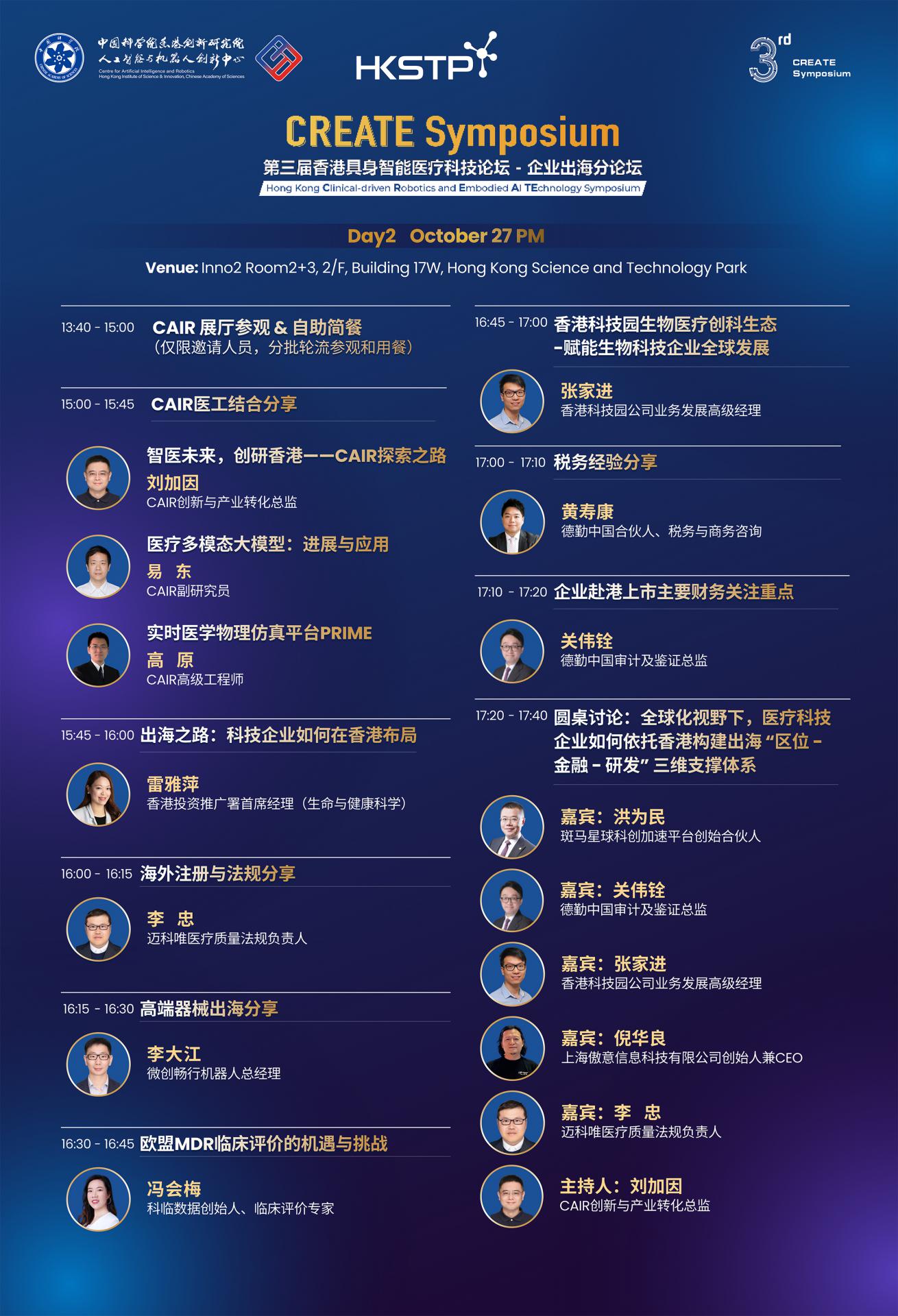
During the session on the integration of medicine and engineering, Mr Jiayin LIU, Director of Innovation and Industry Transformation at CAIR, provided a compelling overview of the Centre's research capabilities, technological achievements, international resources, and versatile collaboration models. Dr Dong YI, Associate Researcher at CAIR, presented the latest advancements and applications of the medical multimodal AI model CARES 3.0, demonstrating its transformative potential in healthcare. Dr Yuan GAO, Senior Engineer at CAIR, delivered an in-depth presentation on the world's first real-time medical multiphysics simulation system, highlighting its groundbreaking impact on medical technology. Through live demonstrations and engaging discussions, the session effectively brought CAIR closer to medical experts and industry leaders, strengthening partnerships and laying a robust foundation for future cross-disciplinary collaborations and innovative developments in the field.
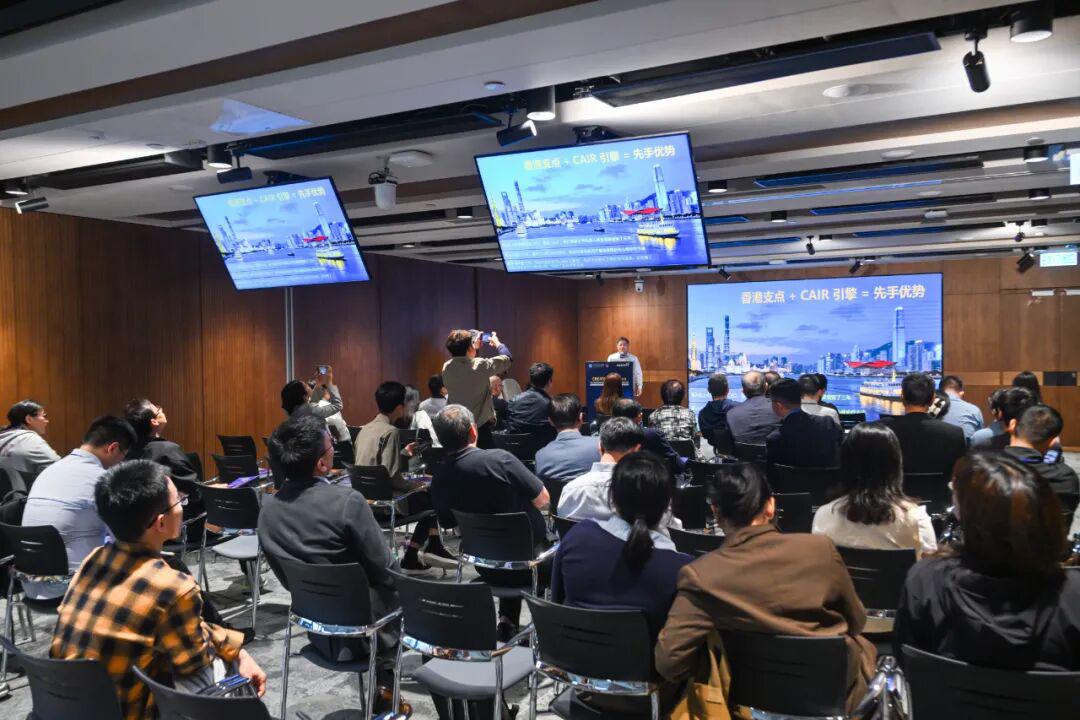
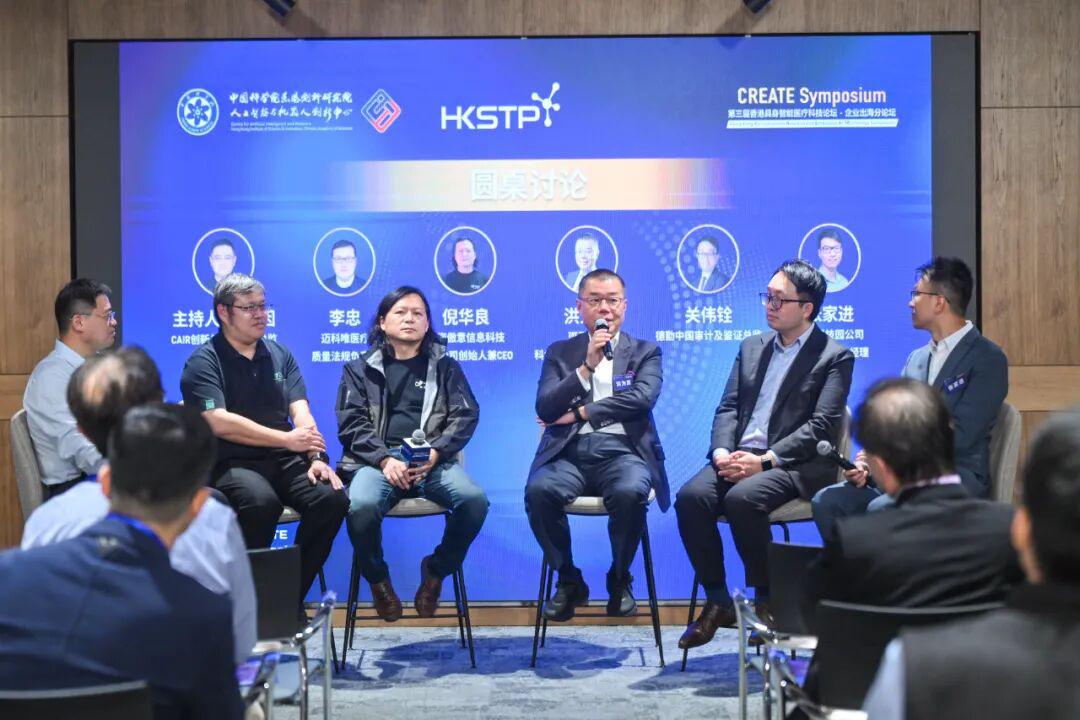
The forum on "Global Expansion of Enterprises" was co-hosted by CAIR and the Hong Kong Science and Technology Parks Corporation, as part of the CREATE Symposium. The session featured a distinguished panel of experts, including Ms Yaping LEI, Chief Manager of Life and Health Sciences at Invest Hong Kong, Mr Zhong LI, Head of Medical Quality and Regulatory Affairs at Miconvey, Mr Dajiang LI, General Manager of Suzhou MicroPort NaviBot International LLC, Dr Huimei FENG, Founder and Clinical Evaluation Expert of Clindata, Mr Jiajin ZHANG, Business Development Senior Manager at Hong Kong Science and Technology Parks Corporation, Mr Weiquan GUAN, Director of Audit and Assurance at Deloitte China, and Mr Shoukang HUANG, Partner and Tax and Business Advisory at Deloitte China. The experts shared valuable insights on critical issues such as strategic planning, legal frameworks, market analysis, practical experience, the innovation ecosystem, taxation, and listing in Hong Kong. They also showcased successful industry case studies and practical experiences. During the subsequent roundtable discussion, Mr Weimin HONG, Founding Partner of Zebras Innovation Acceleration Platform, Mr Hualiang NI, Founder and CEO of OYMotion, Mr Weiquan GUAN, Mr Jiajin ZHANG, Mr Zhong LI, Dr Jiayin LIU, and other distinguished guests provided actionable advice and strategies for global market expansion. Their discussions instilled greater confidence in participants regarding future strategic decisions and global market positioning.
The symposium concluded successfully amidst vibrant and fruitful exchanges. Over the course of two days, the event successfully established a high-level dialogue platform that fostered cross-disciplinary integration and global connectivity, significantly enhancing collaboration between academia, industry, and research sectors. The distinguished academic presentations and in-depth analyses of cutting-edge industry trends not only provided participants with valuable strategic insights but also injected fresh momentum into the innovation and transformation of global medical technology. Moreover, the symposium further solidified and elevated Hong Kong's position as a world-class hub for medical technology.
Looking ahead, CAIR will continue to partner with stakeholders from all sectors, driving forward global cooperation and collaborative innovation. Through the deep integration of cutting-edge technologies like embodied intelligence with medical practice, CAIR aims to generate more groundbreaking, original solutions, contributing intelligence and strength towards improving human health and elevating global healthcare services.
Agenda of the 3rd CREATE Symposium