
Highlights & News
Hong Kong: A Hub of Innovation Leading the Future of AI in Healthcare,The 2nd CREATE Symposium Hosted by CAIR Concludes Successfully
发表日期: 2024年11月25日
In recent years, the integration of artificial intelligence (AI) and robotics into the medical field has revolutionized healthcare technologies. The focus now is on bridging the gap between cutting-edge technologies and clinical applications to enhance diagnostic capabilities and improve overall healthcare efficiency. On November 22-23, the Centre for Artificial Intelligence and Robotics (CAIR), Hong Kong Institute of Science and Innovation, Chinese Academy of Sciences hosted the Second Hong Kong Clinical-driven Robotics and Embodied AI TEchnology Symposium (CREATE Symposium) at the Charles K. Kao Auditorium, Hong Kong Science Park.
This two-day symposium brought together a distinguished lineup of international experts, clinicians, and medical device innovators to foster cross-disciplinary dialogues spanning academic research, industry development, and clinical applications. Participants exchanged insights on the latest breakthroughs and future trends in healthcare technologies, propelling the innovative application of AI and robotics in medical practice.
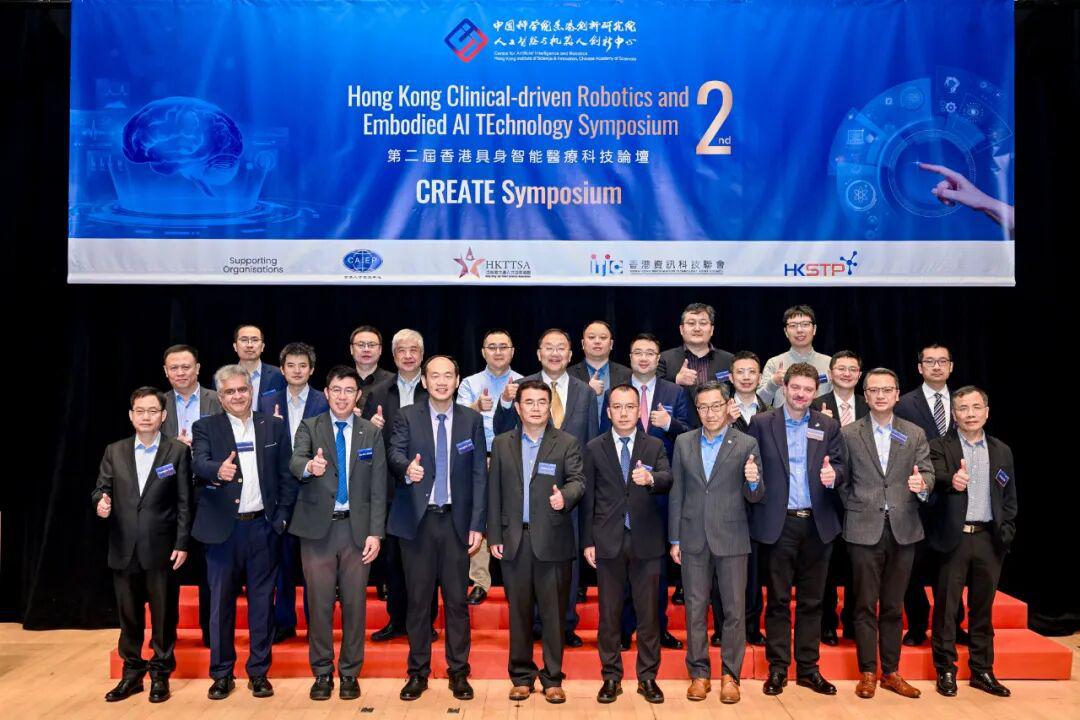
The forum's opening day featured a distinguished lineup of guests, including Mr. Albert Wong, CEO of the HKSTP Corporation; Dr. Kin-lai Chung, Cluster Chief Executive of New Territories East and Hospital Chief Executive of Prince of Wales Hospital; Dr. Yinxing Hao, Executive President of HKISI, CAS; Professor Kam-fai Wong, Member of the Legislative Council of the Hong Kong Special Administrative Region (HKSAR); Dr. Hailong Shang, Member of the Legislative Council of the HKSAR and Founder of the HKTTSA ; and Mr. Chang-lin Gao, General Manager of the Beijing-Hong Kong Exchange of Personnel Centre, more than 10 global experts and industry leaders engaged in in-depth discussions on the intersection of AI and healthcare.
In his welcome speech, Professor Hongbin Liu, Director of CAIR, emphasized the importance of collaboration: " The application of AI technology has permeated various aspects of healthcare, but meaningful breakthroughs require close collaboration among clinical practitioners, academic researchers, and industry professionals. Only through such a tripartite partnership can truly impactful innovation be achieved ."Professor Zhen Lei, IEEE/IAPR Fellow and Professor of CAIR emphasized CAIR's mission: "CAIR is committed to becoming an international R&D hub for scientific and technological innovation, advancing AI research and intelligent design, and fostering new momentum for both mainland and international communities. By bringing together global talent and technology, we aim to establish Hong Kong as an international hub for innovation in intelligent technology."
Mr. Albert Wong highlighted Hong Kong's strategic role in advancing healthcare innovation: "Artificial intelligence and robotics are profoundly reshaping healthcare. Leveraging its position as the core of the Greater Bay Area and the research strengths of its five globally top-ranked universities, Hong Kong has become a critical hub connecting Mainland China and the global market. Hong Kong Science Park will continue to foster cross-disciplinary collaboration to propel life and health technologies onto the global stage."Dr. Kin-lai Chung discussed AI's transformative impact on healthcare: "From disease diagnosis and precision treatment to surgical assistance and rehabilitation support, AI and robotics are revolutionizing healthcare. Technological innovation is key to addressing rising healthcare demands, improving diagnostic accuracy, enhancing patient experiences, and alleviating the workload of healthcare professionals."
Dr. Yinxing Hao underscored Hong Kong's unique advantages: "With its blend of Eastern and Western cultures and global networks, Hong Kong is an ideal hub for attracting top-tier talent and driving technological breakthroughs. Strong government support for innovation and collaboration among universities, enterprises, and international institutions has laid a clear path for future development."Mr. Changlin Gao, General Manager of Beijing-Hong Kong Exchange of Personnel Centre, representing one of the supporting organizations, highlighted the forum's role in creating a high-level platform for collaboration: "This forum has established a platform for the international academia, industry, and medical community to jointly explore the cutting-edge applications and future directions of AI technology in healthcare.
Launch of "CARES Copilot 2.0", A New Era in Smart Healthcare
During the forum, CAIR unveiled CARES Copilot 2.0, an intelligent healthcare solution developed to address clinical needs through cutting-edge technologies. This milestone marks a new era of smart healthcare, introducing four core upgrades that enhance the quality and efficiency of medical services:
MedSearch: Integrating natural language processing (NLP) and recommendation systems, this tool provides efficient medical search and content generation capabilities. It allows healthcare professionals to quickly retrieve and generate structured medical reports, improving clinical decision-making and ensuring access to the latest medical knowledge.
MedKnow: Using knowledge graphs, this feature delivers intelligent medication recommendations, enabling multi-level queries about drug interactions, indications, and contraindications. With photo upload capabilities, it parses medication packaging or inserts via AI, generating accurate recommendations to enhance drug safety.
Automated Surgical Report Generation System: Focused on respiratory system diagnostics, this system generates professional surgical reports quickly, integrating seamlessly into hospital information systems. It optimizes workflows and reduces the workload of healthcare professionals.
Embodied Applications: Leveraging large language model technology, this feature combines digital human localization, robotic motion control, and 3D reconstruction to enable fully automated ultrasound examinations. It enhances accuracy and consistency, setting a new benchmark for intelligent healthcare.
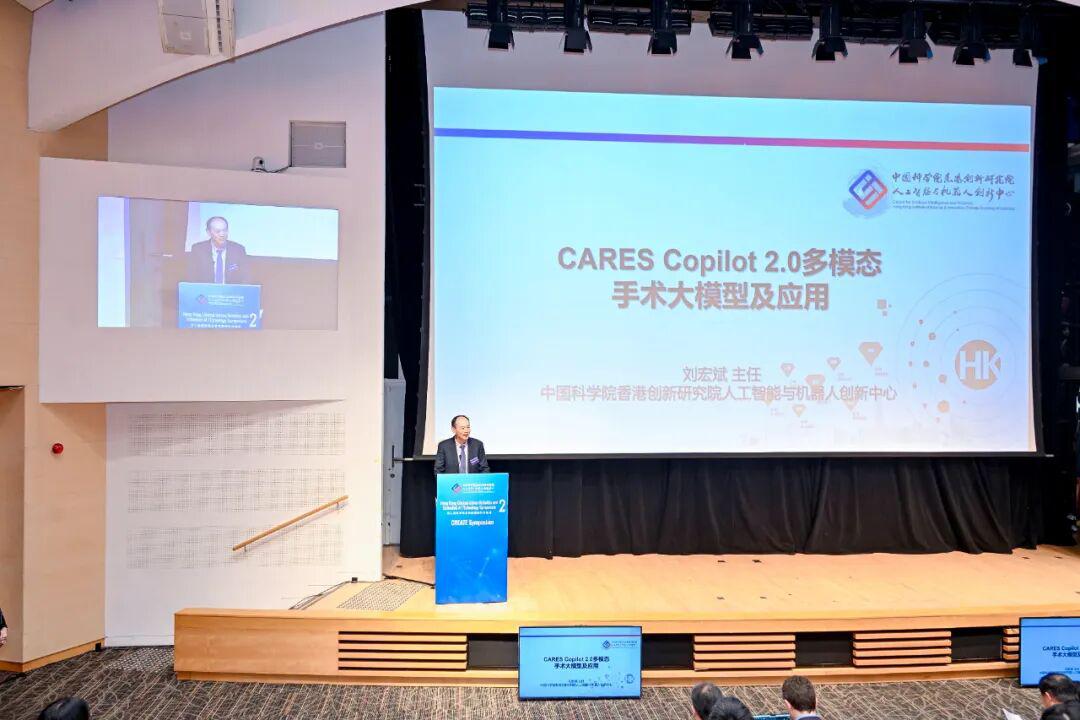 CARES Copilot 2.0 Release
 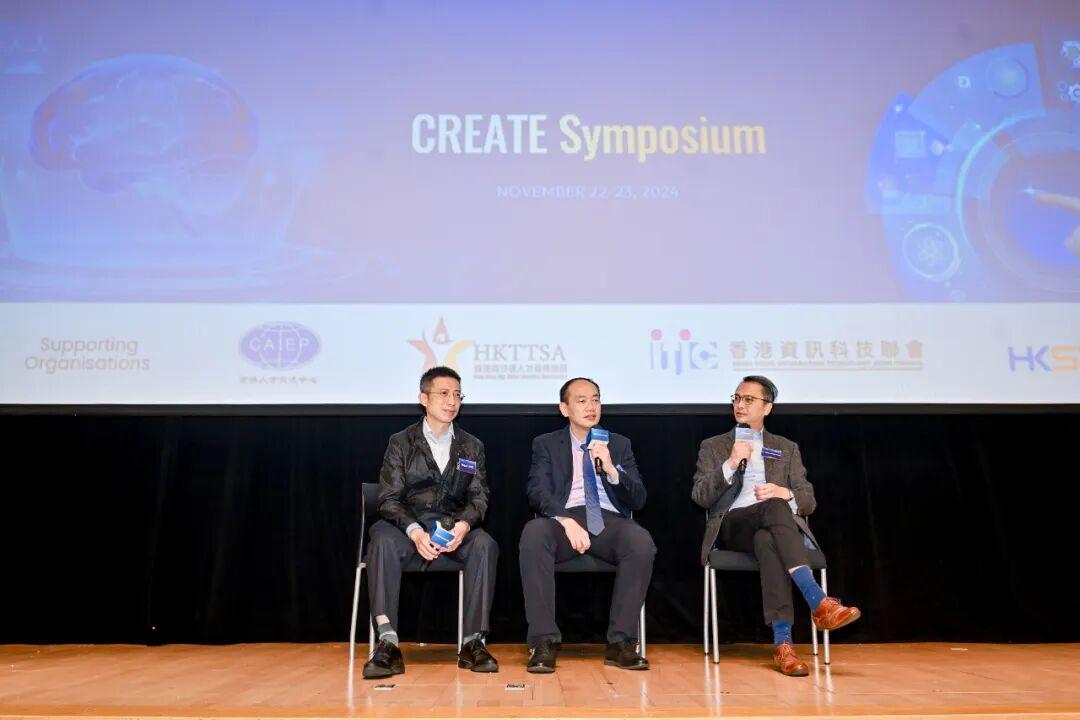 Press Q&AProfessor Hongbin Liu remarked: "CARES Copilot 2.0 is not just a technological innovation but a significant evolution for the healthcare industry. It empowers clinicians to achieve more efficient and accurate diagnoses while providing an enhanced medical experience for patients."
From Exploration to Practice: AI Empowering the Future of Healthcare
The symposium brought together several world-renowned experts to discuss the deep integration of artificial intelligence with healthcare, sharing the latest research findings and practical experiences. Topics spanned technological innovation, clinical applications, and future development directions.
Professor Sebastien Ourselin, Fellow of the Royal Academy of Engineering and a professor at King's College London, emphasized in his keynote speech that the success of innovative technologies depends not only on their advancement but also on their ability to integrate seamlessly into patient care pathways and achieve commercialization. He stressed that technology should serve healthcare needs rather than simply pursue breakthroughs for their own sake, and that solving clinical challenges is key to maximizing value.
Professor Nassir Navab, a member of Academia Europaea and a Professor at Technical University of Munich, analyzed the challenges of surgical automation. He noted that, compared to autonomous driving, surgical automation requires a deeper understanding of anatomy and physiology and the ability to emulate the decision-making and thought processes of surgeons. He believes that future surgical robots will need to integrate multimodal data to enable truly intelligent surgical support.
Professor Jiebo Luo, Fellow of Academia Europaea and the US National Academy of Inventors and a professor at the University of Rochester, focused on the application of AI in medical imaging. He highlighted that deep learning has overcome the limitations of traditional manual feature design through automated feature extraction, driving medical imaging computation toward multimodal data integration and providing more precise decision-making support for clinical diagnosis.
Professor Dinggang Shen, Founding Dean of the School of Biomedical Engineering at the ShanghaiTech University and Co-CEO of United Imaging Intelligence, highlighted how AI technology is advancing the standardization and intelligent development of medical diagnoses and treatments. By integrating multimodal data, including imaging, pathology, and genomics, AI is improving medical efficiency, optimizing resource allocation, and enhancing patient outcomes. He also shared his team's innovative work in areas such as image enhancement, low-dose imaging, and comprehensive cancer diagnosis.
Professor Shaohua Zhou, Executive Dean of the School of Biomedical Engineering at the University of Science and Technology of China, emphasized the growing importance of general and foundational models in medical imaging AI. These models address challenges related to data scarcity and task complexity through a "train-once, multi-task" approach. He highlighted the integration of multimodal data and the combination of generative and discriminative models to develop reliable and interpretable intelligent systems capable of supporting clinical applications and improving patient health predictions.
In the field of surgery, embodied AI technology is gradually being integrated into minimally invasive procedures and surgical robots, providing surgeons with high-precision, low-risk assistance. Professor Hongbin Liu, Director of CAIR, stated that the goal of AI is to empower rather than replace humans, enabling doctors to become "super doctors". He envisioned the future operating rooms become fully intelligent spaces where humans and robots collaborate seamlessly, improving surgical outcomes through advanced interaction. .
Dr. Tat-Ming Danny Chan, Head of Division of Neurosurgery at the Department of Surgery, The Chinese University of Hong Kong (CUHK), illustrated the deep integration of artificial intelligence, augmented reality, and robotics in advancing embodied intelligence in surgical applications. Using neurosurgery as an example, he highlighted that the future of medicine lies not only in treating diseases but also in leveraging cutting-edge technologies to decode the mechanisms of the brain and body, breaking down barriers between humans and technology.
Professor Feng Liu from the School of Electrical Engineering and Computer Science at the University of Queensland discussed the design of MRI systems, introducing mathematical and physical model-based design methods. He explored how theoretical platforms and engineering optimizations, combined with patient modeling and validation, are advancing MRI technology.
Other experts included Prof. Renzhi Wang, Consultant and Full Professor, School of Medicine Neuroimaging Center, Chinese University of Hongkong (Shenzhen) & Chief Physician and Professor of the Department of Neurosurgery, Peking Union Medical College Hospital; Prof. Xiaorong Ronald Xu, Professor and Doctoral Advisor at the Department of Precision Instrumentation and College of Biomedical Engineering at Suzhou Institute for Advanced Research, University of Science and Technology of China; Prof. Hongliang Ren, Professor at the Department of Electronic Engineering at CUHK; Prof. Ka-Wai Kwok from the Department of Mechanical and Automation Engineering, CUHK; Prof. Qingpeng Zhang, Associate Professor at the Musketeers Foundation Institute of Data Science and the Department of Pharmacology and Pharmacy at The University of Hong Kong. Institute, The Chinese University of Hong Kong; Prof. Hao Chen, Assistant Professor of the Department of Computer Science & Engineering and Department of Chemical & Biological Engineering, Hong Kong University of Science and Technology; Dr. Qi Dou, Assistant Professor at Department of Computer Science and Engineering and T Stone Robotics Institute, The Chinese University of Hong Kong; Dr. Huai Liao, Chief Physician at Department of Pulmonary and Critical Care Medicine, First Affiliated Hospital of Sun Yat-sen University; Dr. Shifang Li, Chief Physician, Neurosurgery, Affiliated Hospital of Qingdao University; Professor Zhong Wu, Director of Administration, Chief Physician at Cardiovascular Surgery, West China Hospital of Sichuan University;Professor Lei Du, Chief Physician and Professor at the Department of Anesthesia, West China Hospital, Sichuan University; Dr. Kevin Ka-ho Kam, Director of Ambulatory Cardiology Services and Associate Consultant of Medicine & Therapeutics, Prince of Wales Hospital;Dr. Yongjian Chen, Deputy General Manager of Qingdao Hisense Medical Equipment Co., Ltd.; Dr. Hua Wang, CTO of Magspin Instrument Co., Ltd.They presented breakthroughs spanning basic research to clinical applications, covering areas such as medical imaging, surgical assistance, and drug development. Together, these insights demonstrated how AI is enabling comprehensive upgrades across the healthcare industry.
In the afternoon, the speakers visited the CAIR exhibition hall to explore CAIR's groundbreaking research achievements. Highlights included: CARES Copilot 2.0, Embodied Intelligent Ultrasound Robot, Augmented Reality Navigation Systems, Medical Imaging Enhancements Techniques, Real-time Surgical Digital Twin System, and Flexible Minimally Invasive Neurosurgery Robot. The visit sparked in-depth discussions on addressing clinical challenges and market commercialization. Later, a closed-door seminar focused on the clinical applications of AI and robotics in cardiothoracic surgery and intensive care.
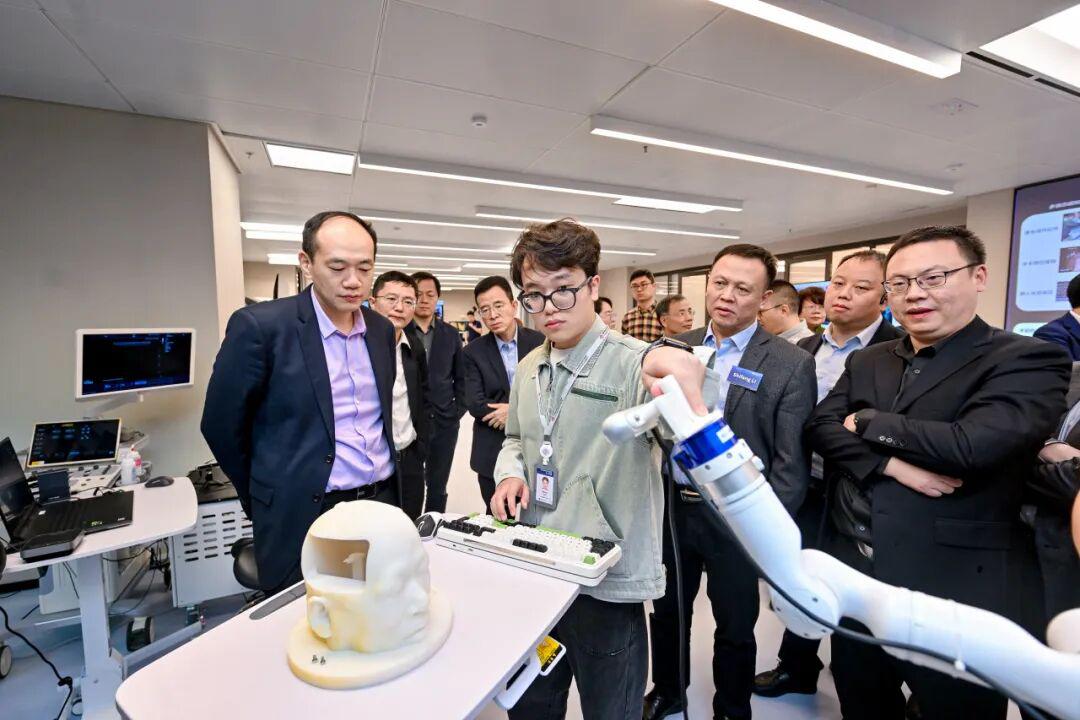
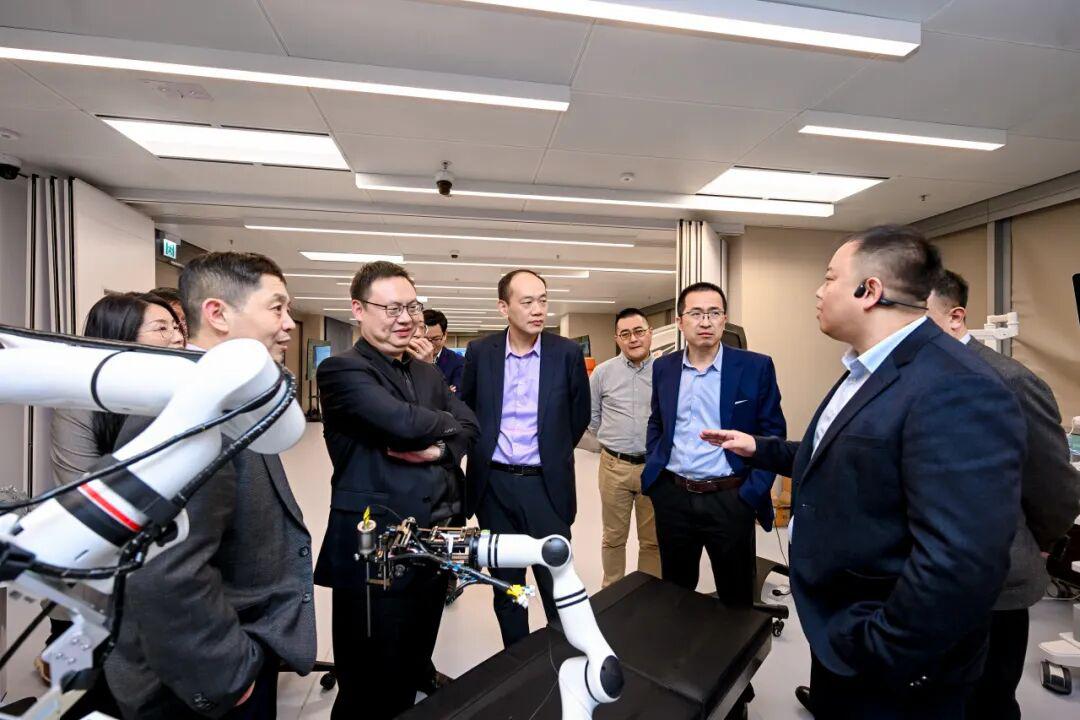 Guests Visit CAIR Exhibition Hall
Earlier, around 40 young scholars from Hong Kong had visited the CAIR exhibition hall. They participated in a lunch discussion with project researchers, expressing strong interest in CAIR's research achievements and team culture. Many expressed their aspirations to join CAIR in the future.
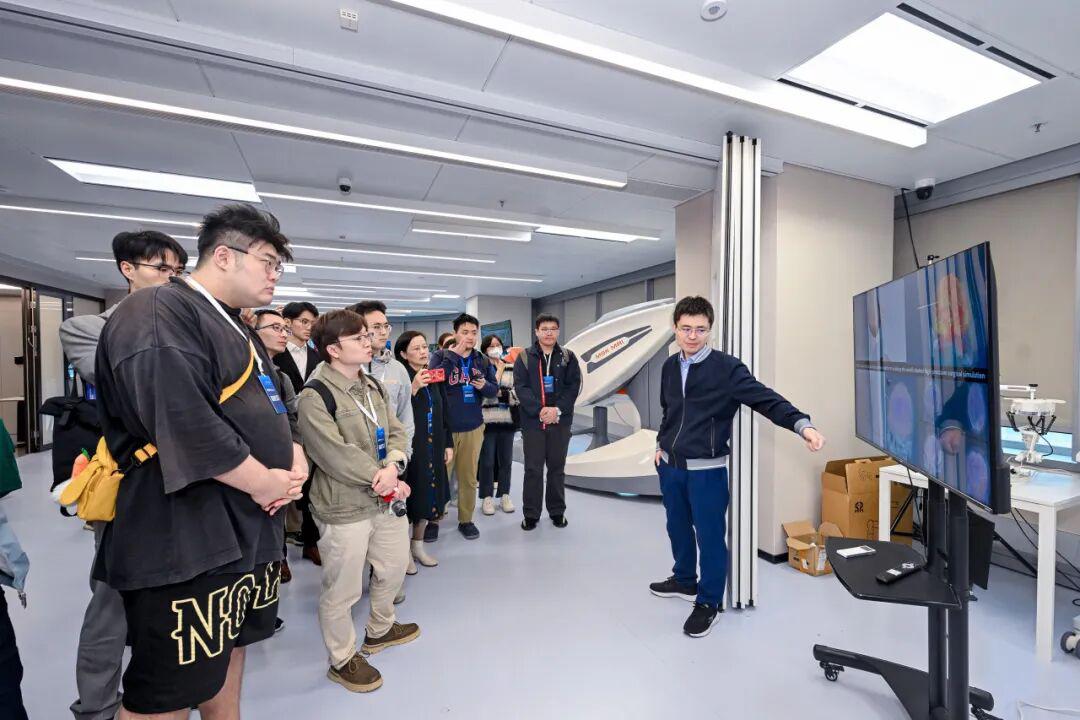
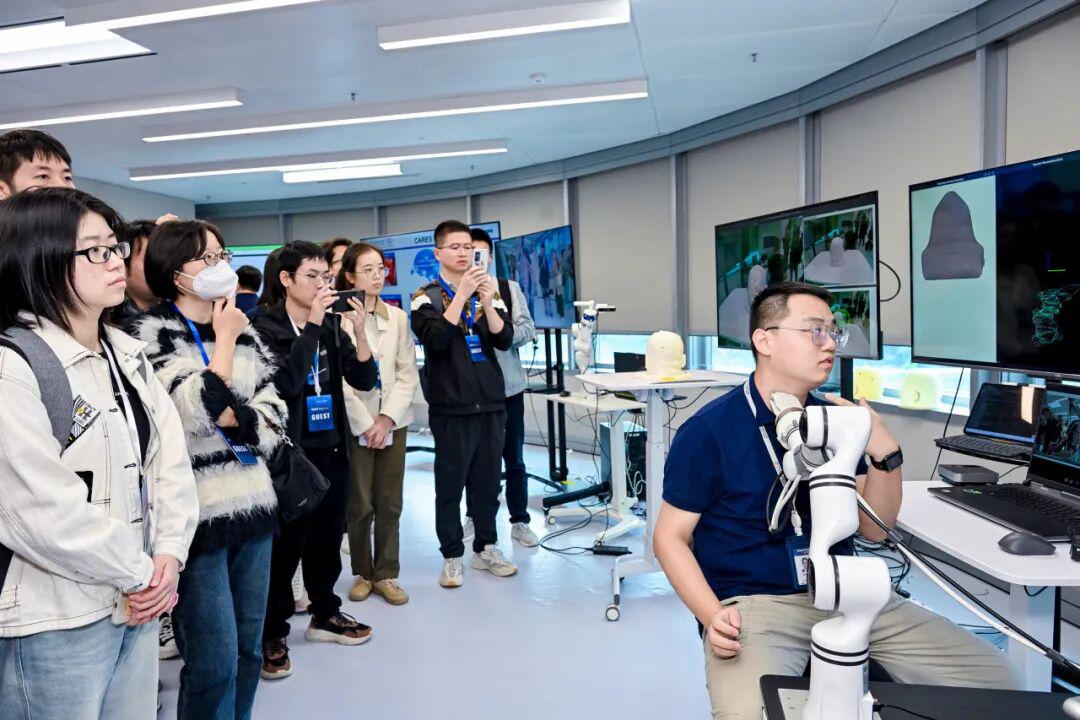 Young Scholars Visit CAIR Exhibition Hall
The successful conclusion of the "Hong Kong CREATE Symposium" not only highlights its pivotal role in advancing academic exchange and collaboration in the field of embodied intelligent medical technology, but also provides a cross-disciplinary and international platform for innovative dialogue among global experts and scholars. By uniting industry leaders, showcasing groundbreaking research, and delving into emerging trends, the forum serves as a catalyst for the continued evolution and practical application of embodied intelligent medical technology.
Looking ahead, as these technologies continue to evolve and expand, their transformative potential in the healthcare sector will be further unlocked. This progress will not only drive innovation but also strengthen efforts toward the sustainable development of human society, offering new insights and solutions to global healthcare challenges.
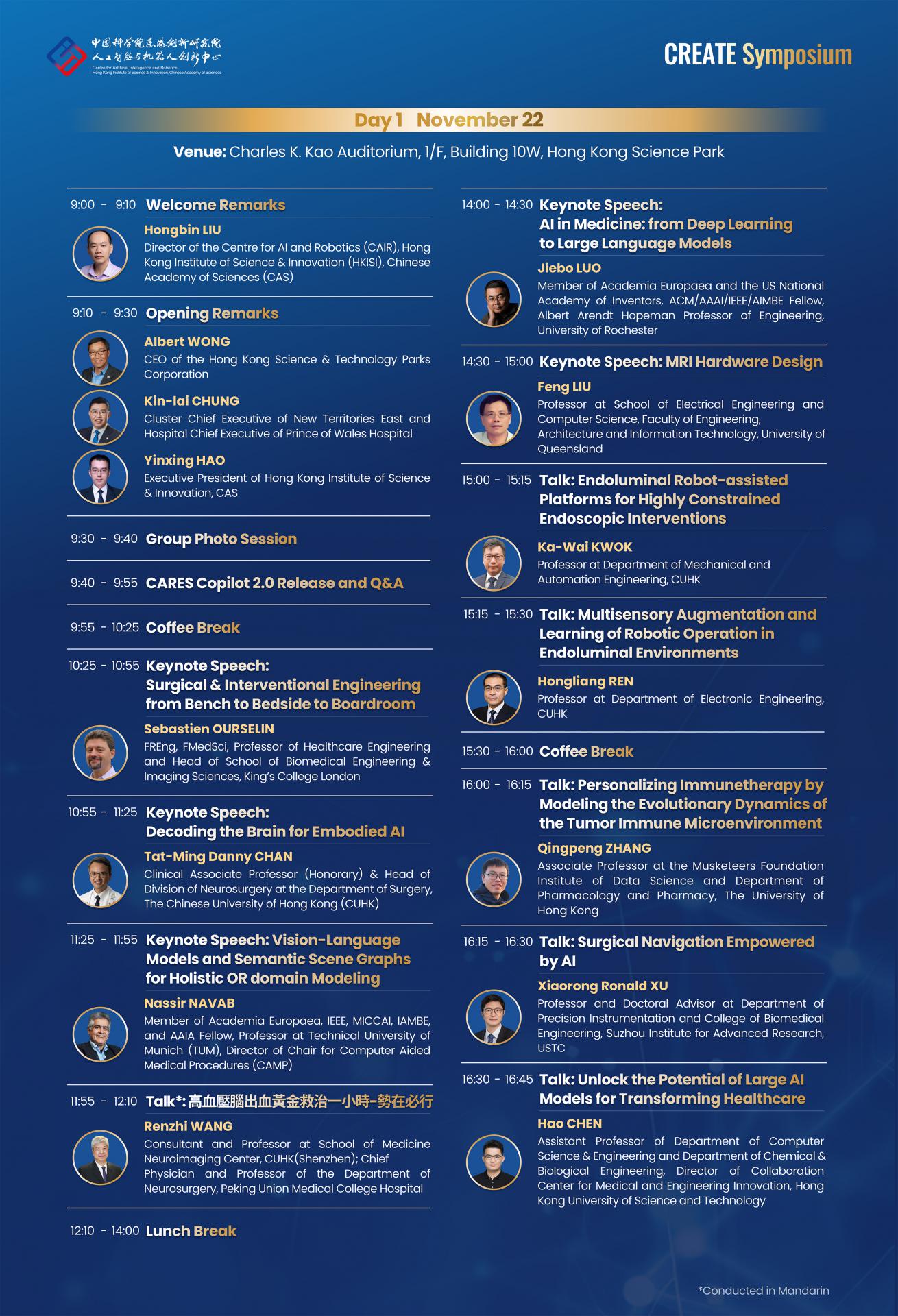
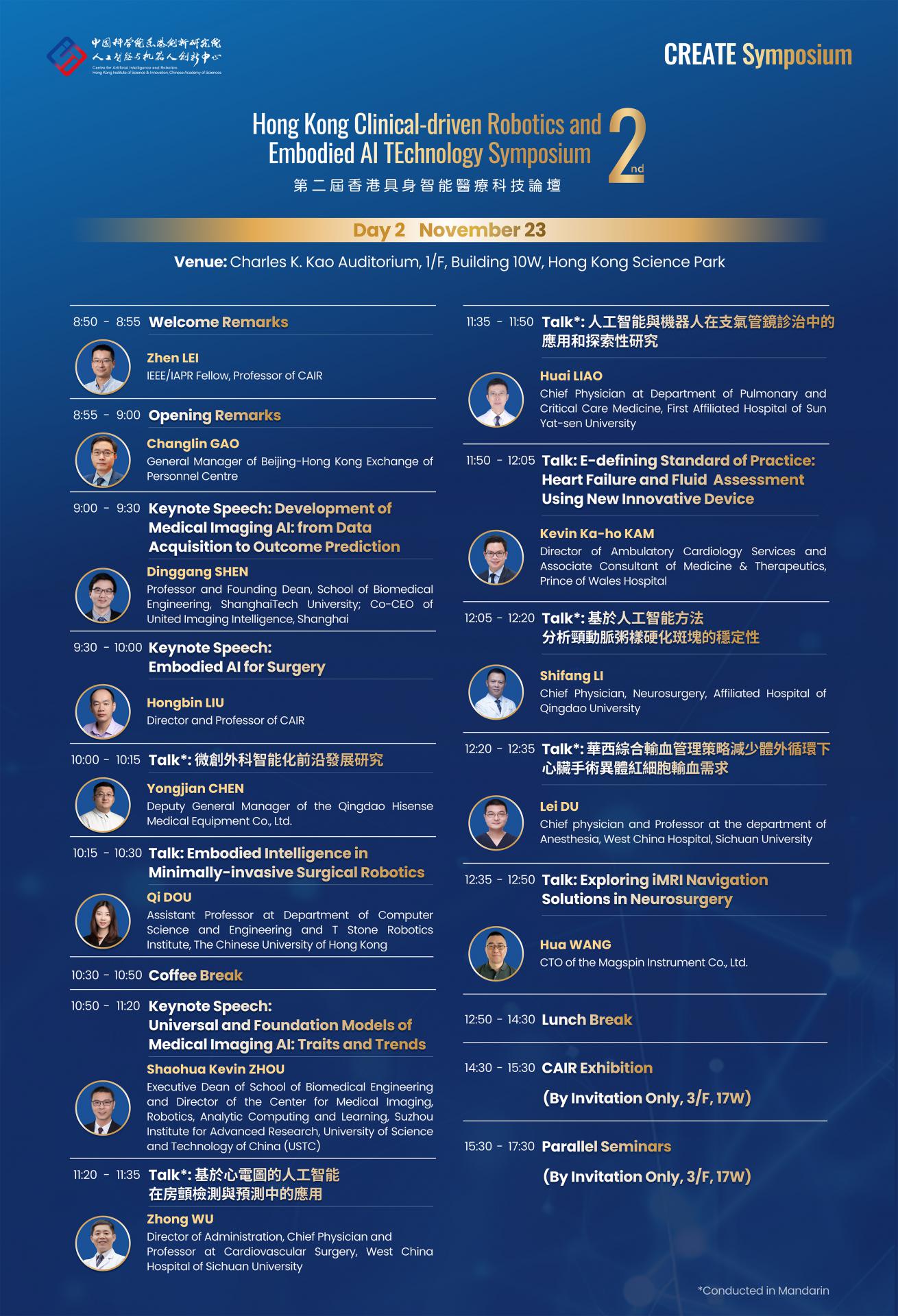
Agenda of the 2nd CREATE Symposium